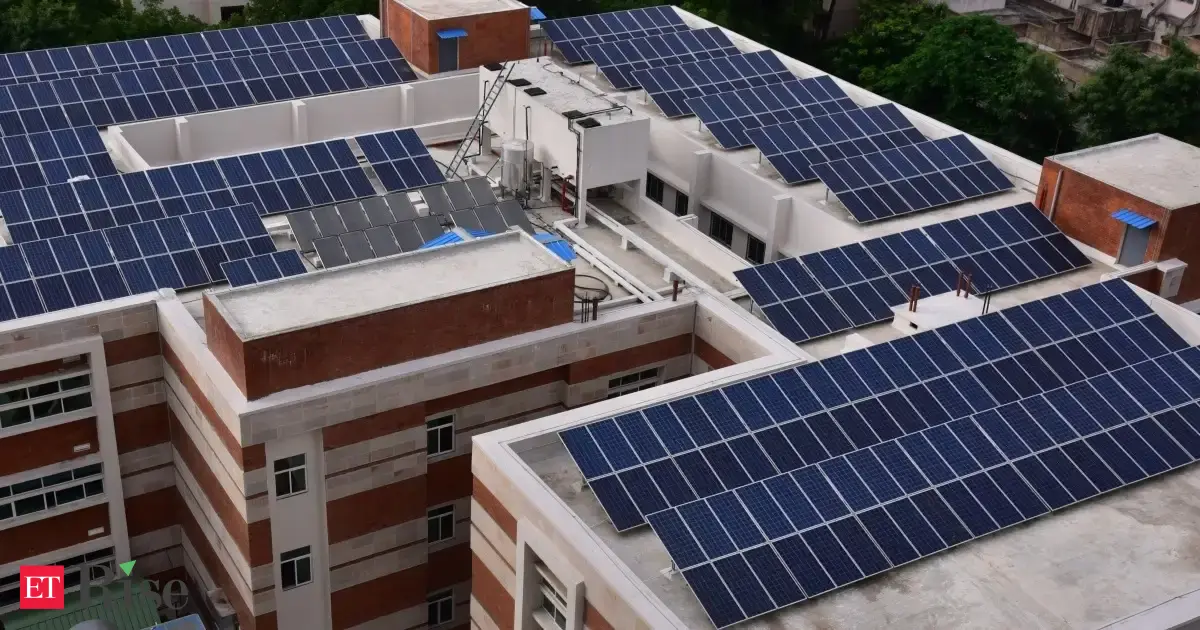
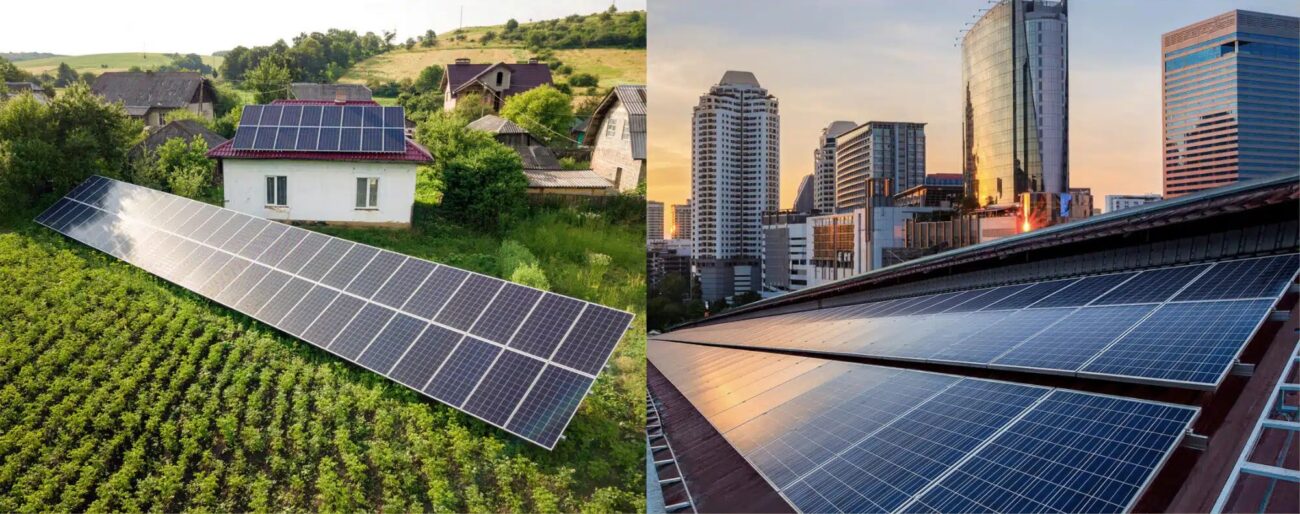
Since Dubai has so much sun, solar panels are appealing, but only if the parts are made for the local environment, adjustable to Dubai’s extreme summer heat.
Dubai’s professional solar installers use DEWA-compliant panels, inverters, mounting systems, cables, and protective gear.
This guide explains the essential contributors and the Dubai solar pro’s components of choice for each item, and why the desert heat makes Dubai roofs unique.
Solar Panels: The Energy Foundation
Why Panel Choice Matters Most
Panels collect sunlight. Therefore, how heat tolerant, durable, and efficient they are determines the performance ceiling of the system.
In Dubai, installers prefer monocrystalline panels from Tier 1 manufacturers with:
- Low temperature coefficients (-0.30%/°C or better).
- DEWA approval from the Shams Dubai eligible list.
Panels rated at 25°C lose 10-15% output at typical Dubai roof temperatures (60-70°C cell temp). Heat-optimized models retain more power during peak billing months.
Bifacial vs Monofacial for Dubai Roofs
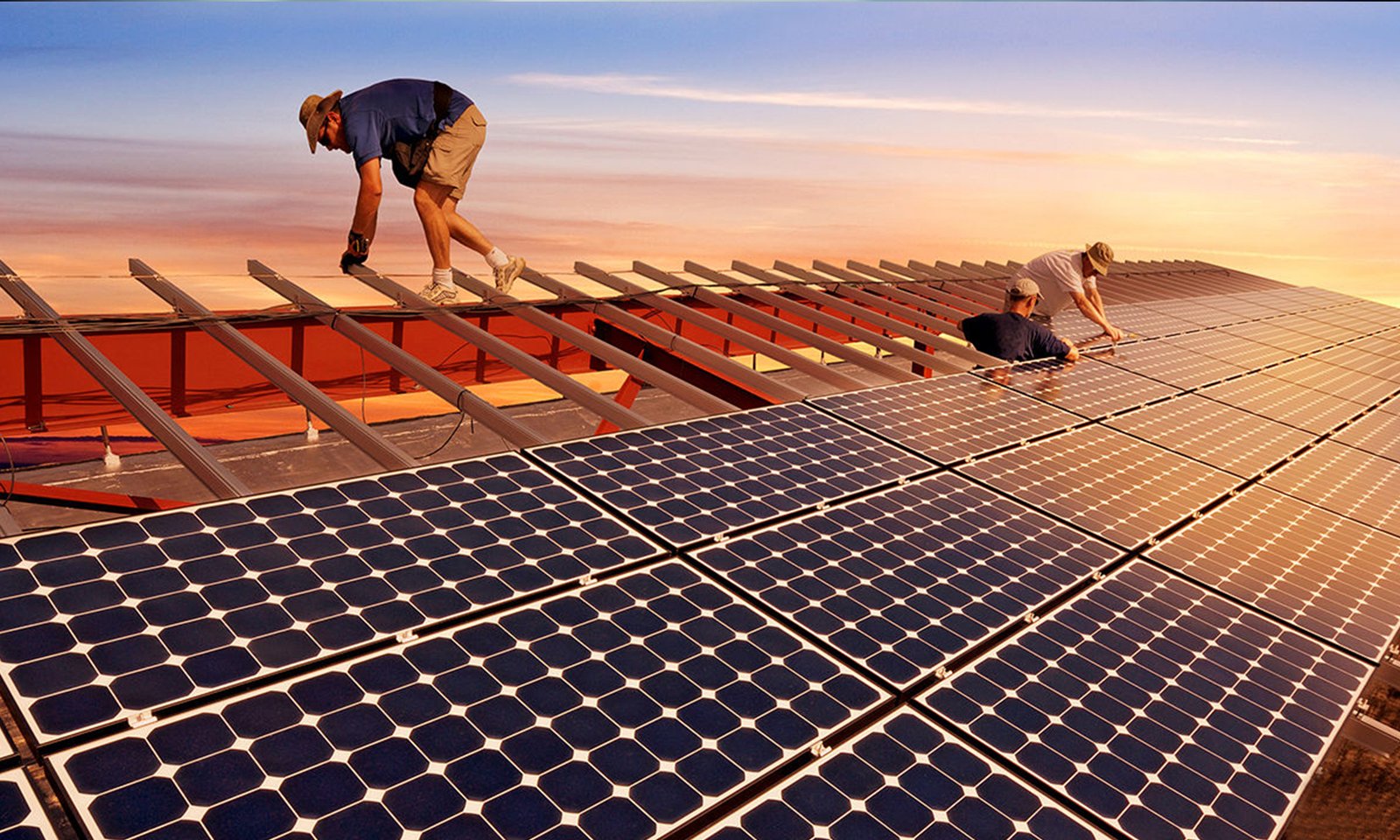
Solar panels installation in Dubai increasingly uses bifacial panels that generate from both sides:
- Front: direct sunlight (90% of output).
- Back: reflected light from roof surface (5-20% bonus).
Light-colored concrete roofs boost bifacial gain. Dark bitumen roofs favor standard monofacial panels.
Mounting Structures: Roof Protection and Stability
Types Used in Dubai Installations
Professional solar system installation in Dubai selects mounting based on roof type:
Flat Concrete Roofs (most common):
- Tilted racking with ballasted or mechanically fixed bases
- Aluminum rails, galvanized steel feet
- 15-25° tilt optimizes annual yield
Pitched Tile Roofs (villas):
- Tile hooks or L-feet that lift tiles without cracking
- Mid- and end-clamps secure panels to rails
Wind and Thermal Design
Dubai’s gusty winds require:
- Edge reinforcements near parapets
- Uplift calculations per ASCE 7 or local codes
- Thermal expansion gaps (aluminum expands 2x concrete in heat)
Mounting penetrates waterproofing minimally, with flashings and sealants rated for UV and 70°C service.
Inverters: DC to AC Conversion
String Inverters vs Microinverters
String inverters dominate Dubai installs:
- 1 unit handles 10-100 panels in series
- Mounted indoors/shaded (lifespan 7-12 years)
- Brands: SMA, Huawei, GoodWe (DEWA-approved)
Microinverters/Optimizers for:
- Shaded villa roofs
- East-west orientations
- Premium systems prioritizing max yield
Heat Management Critical
Inverters de-rate above 50°C ambient. Dubai installs place them:
- Plant rooms with ventilation
- Shaded enclosures with exhaust fans
- Oversized (1.2x DC:AC ratio) to run cooler
DC Cabling and Connectors
Sizing and UV Resistance
DC cables carry high voltage (600-1500V) from panels to inverter:
Typical specs:
- 4-6mm² cross-section (low loss)
- Double-insulated XLPE (90°C rating)
- UV-stabilized sheathing (black or red)
MC4 connectors must be authentic (not copies):
- IP67 sealing prevents water ingress
- Spring-loaded for reliable contact
- Rated 1000V/20A continuous
Cable Management Practices
Professional solar system installation in Dubai routes cables:
- UV conduit on roofs (white for heat reflection)
- Secured with non-corrosive clips every 50cm
- Strain relief at junction boxes and terminations
Poor routing causes 2-5% losses and accelerates insulation breakdown in heat.
AC Side Components and Grid Protection
AC Distribution and Metering
After inverter, AC feeds through:
- AC isolator (near inverter, lockable)
- MCB/MCCB (sized to inverter rating)
- CT meter for net-metering (DEWA requirement)
Surge protection devices (SPDs) mandatory:
- Type 2 AC SPD at main panel
- Type 1+2 if lightning risk exists
DEWA Compliance Items
Solar system installation in Dubai requires:
- DEWA-approved energy meter (bi-directional)
- Single-line diagram showing protection
- Labels identifying solar circuits
Safety and Monitoring Equipment
DC Safety Gear
Each string needs:
- DC isolators (non-fused, roof-mounted)
- Overcurrent fuses (strings >2 panels)
- String monitoring (voltage/current sensors)
Junction boxes contain:
- Bypass diodes (prevent hot spots)
- Cable glands (IP68 sealing)
- Surge arrestors (DC side)
System Monitoring
Modern installs include:
- WiFi/4G gateway to cloud portal
- Production/consumption tracking
- Fault alerts (SMS/email for downtime)
Owners see real-time kW, daily/weekly kWh, and performance ratio vs expected yield.
Role of Solar Panel System Suppliers in Dubai
Local Stocking Matters
Solar panel system suppliers in Dubai provide:
- DEWA-eligible equipment with certificates
- Local warranty service (no 6-month shipping)
- Bulk pricing for commercial projects
Reputable suppliers carry:
- Longi, Jinko, Trina (PERC/TOPCon)
- Huawei, SMA inverters
- Schletter, K2 mounting systems
Avoiding Grey Market Risk
Installers sourcing direct from China risk:
- No local spares (inverter down 3 months)
- Fake datasheets/certificates
- Warranty denials by DEWA
Balance of System (BOS) Components
Grounding and Earthing
Complete solar system include:
- Earthing straps (copper, 25-50mm²)
- Equipotential bonding (panels, rails, inverter)
- Lightning rods (high buildings)
Dubai’s sandy soil needs chemical earth pits for low resistance (<5Ω).
Cleaning and Maintenance Gear
Professional installs plan for:
- Access walkways (commercial roofs)
- Water storage tanks for panel washing
- Safety harness anchor points
How Yanvi Solar Selects Components
Experienced firms like Yanvi Solar match components to project needs:
Residential villas:
- High-efficiency panels (space-limited)
- String inverters (simple/reliable)
- Aesthetic mounting (flush or low-profile)
Commercial roofs:
- High-power bifacial panels
- Central inverters (cost-effective)
- Heavy-duty ballasted racking
They prioritize solar system suppliers in Dubai with proven local service records over lowest price.
Quality Checks During Installation
Pre-Commissioning Tests
Before grid connection, technicians verify:
Electrical:
- Insulation resistance (>100MΩ)
- String continuity and polarity
- Open-circuit voltage per string
Mechanical:
- Torque wrench on all bolts/clamps
- Waterproofing seals intact
- Cable glands properly tightened
DEWA Handover Requirements
Final package includes:
- Commissioning report with test results
- As-built drawings (electrical/mechanical)
- O&M manual with serial numbers
- Training for building management
Cost vs Quality Component Trade-offs
| Component | Budget Choice | Premium Choice | Dubai Impact |
| Panels | Tier 2 PERC | TOPCon/HJT | 5-10% more annual kWh |
| Inverter | No-name brand | Huawei/SMA | 2-3yr longer life |
| Mounting | Basic steel | Anodized aluminum | 20yr corrosion resistance |
| Cabling | Single-insulated | Double XLPE | 25yr insulation life |
Solar system installation in Dubai saving 10% on components often costs 15% more energy loss annually.
Practical Tips for Component Selection
Questions to Ask Installers
- Show DEWA eligibility certificates for all major components
- Request temperature de-rating curves (not just STC ratings)
- Verify local supplier contacts for spares
- Ask for 5-year-old project production data
Red Flags to Avoid
- “All panels perform the same”
- No single-line diagram
- Inverters on sunny rooftops
- Generic “Tier 1” claims without names
Conclusion
Professional solar system installation in Dubai succeeds through deliberate component selection – heat-tolerant panels, properly ventilated inverters, corrosion-resistant mounting, and DEWA-compliant safety gear working in harmony.
Partnering with experienced solar system suppliers in Dubai and firms like Yanvi Solar ensures your investment delivers expected savings for 25+ years, even through Dubai’s harshest summers.